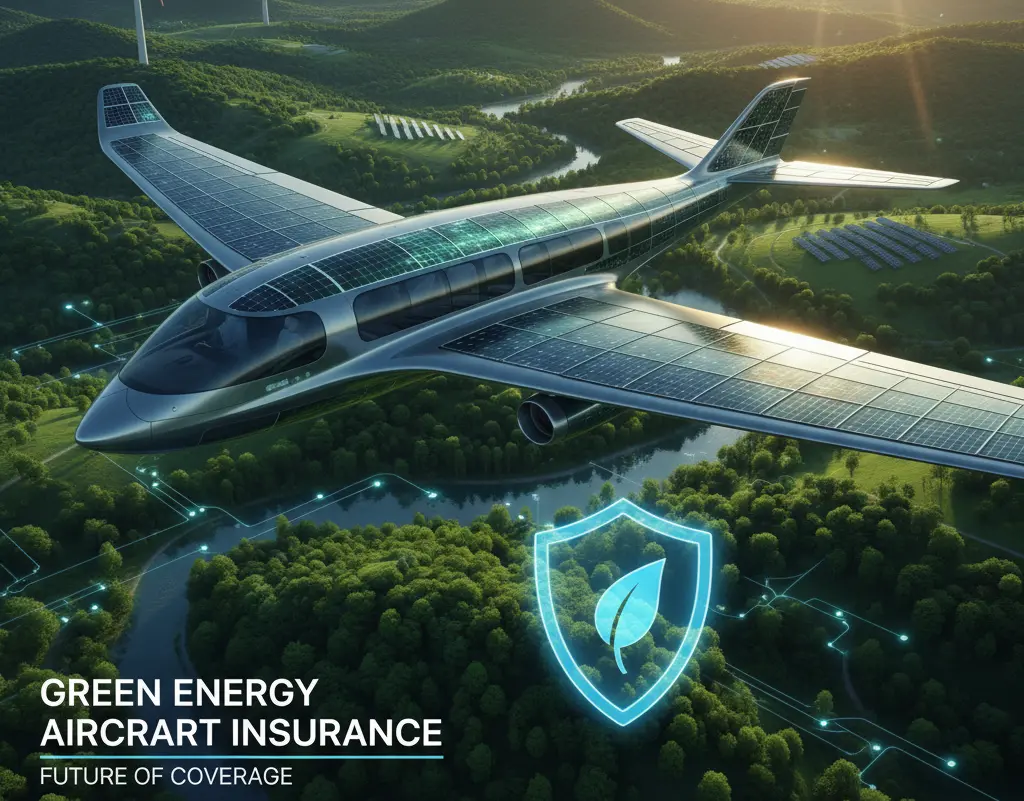
The aviation industry is undergoing a transformation, with a growing emphasis on sustainability and environmental responsibility. As part of this movement, the rise of green energy aircraft has been gaining traction, with new technologies that promise to reduce emissions and reliance on fossil fuels. But as with any emerging trend, green energy aircraft insurance is now becoming a crucial consideration for owners, operators, and insurers alike.
Anúncios
In this article, we will dive deep into the latest green energy aircraft insurance trends and explore the unique coverage options available for these innovative aircraft. Whether you’re an early adopter or just curious about the changes in the aviation industry, understanding the insurance landscape is key to ensuring that your green aircraft are properly protected.
What is Green Energy Aircraft?
Before we explore the insurance options available for green energy aircraft, it’s essential to understand what qualifies as a “green energy aircraft.” These are aircraft powered by alternative energy sources that are more sustainable and less harmful to the environment compared to traditional fossil fuels. Common green energy aircraft include:
- Electric Aircraft: Aircraft that use electricity stored in batteries as their primary power source.
- Hybrid Aircraft: Aircraft that combine traditional combustion engines with electric motors to reduce fuel consumption.
- Hydrogen-Powered Aircraft: Aircraft that use hydrogen fuel cells or hydrogen combustion engines to power the plane.
Anúncios
Green energy aircraft are designed with a focus on reducing carbon emissions, noise pollution, and fuel consumption. As the aviation sector strives to meet ambitious sustainability goals, these green technologies are becoming increasingly attractive to both consumers and commercial operators.
The Growing Importance of Green Energy Aircraft Insurance
Anúncios
As the adoption of green energy aircraft continues to rise, insurers are adapting to meet the needs of this evolving market. The insurance landscape for green energy aircraft is different from traditional aircraft insurance due to the unique technologies and potential risks associated with these planes.
Why Green Energy Aircraft Insurance Matters
The introduction of green energy aircraft brings about new considerations for aviation insurance, including:
- New Technologies and Risks: Electric, hybrid, and hydrogen-powered aircraft often involve cutting-edge technologies that are still in development. These technologies may present unfamiliar risks, such as battery malfunctions or challenges related to hydrogen storage.
- Specialized Coverage Needs: Green energy aircraft often require specialized insurance that takes into account factors such as battery health, charging infrastructure, and specific environmental regulations.
- Regulatory Changes: Governments and regulatory bodies are introducing stricter environmental regulations, which will likely affect the insurance requirements for green energy aircraft. Keeping up with these changes ensures that your policy remains compliant.
Emerging Trends in Green Energy Aircraft Insurance
As the market for green energy aircraft expands, there are several trends that are shaping the future of aircraft insurance.
1. Tailored Insurance Products for Green Aircraft
As more green energy aircraft are developed, insurance companies are creating policies specifically designed for these aircraft. These policies take into account the unique risks associated with electric, hybrid, and hydrogen-powered aircraft. For instance, policies for electric aircraft might offer specific coverage for battery-related damage or failure, while hydrogen aircraft insurance may cover risks associated with the handling and storage of hydrogen fuel.
2. Focus on Sustainability and Environmental Responsibility
With the aviation industry under increasing pressure to reduce its carbon footprint, insurers are beginning to offer discounts or incentives to aircraft owners who operate green energy aircraft. This shift toward offering more sustainable policies can encourage further investment in eco-friendly aircraft technologies.
3. Data-Driven Risk Assessment
Green energy aircraft, especially electric planes, rely on a complex system of sensors, software, and data analysis to operate efficiently. Insurers are increasingly using data-driven risk assessments to determine premiums and coverage options for green energy aircraft. This involves analyzing real-time data from aircraft systems, including battery usage, flight paths, and performance metrics.
4. The Role of Government Policies and Incentives
Governments around the world are offering financial incentives and subsidies to encourage the development and use of green energy aircraft. These policies often have a direct impact on the insurance industry, as insurers factor in government-backed incentives when creating coverage options for these aircraft.
5. Focus on Climate Change and Risk Mitigation
Green energy aircraft are part of a larger movement toward mitigating the effects of climate change. Insurers are starting to view these aircraft as part of the broader climate risk mitigation effort. As a result, there’s growing interest in incorporating climate resilience into insurance products, ensuring that aircraft owners are covered against both environmental risks and the shifting regulatory landscape.
Key Coverage Options for Green Energy Aircraft
While the insurance requirements for green energy aircraft are still evolving, there are several key coverage options that owners should consider when choosing an insurance policy.
1. Hull Insurance
Hull insurance covers the physical damage to the aircraft, whether it’s in flight or on the ground. This is a standard component of any aircraft insurance policy, but for green energy aircraft, additional considerations may apply, such as:
- Battery Coverage: As electric aircraft rely on batteries, it’s important to ensure that battery malfunctions or failures are covered.
- Hydrogen Storage: For hydrogen-powered aircraft, hull insurance may need to cover damage to or from hydrogen storage tanks.
2. Liability Insurance
Liability insurance protects the aircraft owner from third-party claims in the event of accidents, injuries, or damage caused by the aircraft. For green energy aircraft, there may be unique risks related to the new technologies, such as:
- Battery Safety: If a battery explosion or malfunction occurs and causes damage or injury, liability coverage may need to include specific provisions for these events.
- Hydrogen Fuel Risks: For hydrogen-powered aircraft, there may be added risks associated with the storage, handling, and transportation of hydrogen fuel, which should be considered under liability coverage.
3. Grounding Insurance
Grounding insurance provides coverage if an aircraft is temporarily grounded due to mechanical failures, including those related to its green energy systems. This could include:
- Battery Failure: Coverage for situations where the aircraft cannot operate due to battery degradation or malfunction.
- Charging Station Issues: If the charging infrastructure for electric aircraft is compromised, grounding insurance could help cover operational losses.
4. Environmental Liability Insurance
Given the growing concern over environmental impact, some insurers offer specialized environmental liability insurance. This coverage is designed to protect aircraft owners from claims related to environmental harm caused by the aircraft, such as:
- Battery Disposal: Electric aircraft batteries can be hazardous if not disposed of properly, and this coverage may address the costs associated with safe disposal.
- Hydrogen Leaks: For hydrogen aircraft, insurance could cover potential environmental damage caused by hydrogen fuel leaks or spills.
5. Maintenance and Service Coverage
Green energy aircraft, especially electric models, require regular maintenance to ensure the health of their batteries and other critical systems. Maintenance and service coverage may include:
- Battery Health Monitoring: Insurance policies may offer coverage for battery testing and maintenance to ensure that the battery continues to perform optimally.
- Software Updates: As green energy aircraft often rely on complex software, policies may cover costs related to necessary software updates and upgrades.
Table: Comparison of Coverage Options for Green Energy Aircraft vs. Traditional Aircraft
| Coverage Type | Green Energy Aircraft | Traditional Aircraft |
|---|---|---|
| Hull Insurance | Covers battery malfunctions, hydrogen storage damage | Covers structural damage and general aircraft issues |
| Liability Insurance | Includes battery explosion and hydrogen fuel risks | Covers third-party injuries and property damage |
| Grounding Insurance | Includes battery degradation and charging station issues | Covers general mechanical failure and delays |
| Environmental Liability Insurance | Addresses battery disposal and hydrogen fuel leaks | Less focus on environmental risks |
| Maintenance Coverage | Focuses on battery and software maintenance | Covers general mechanical systems and components |
FAQs About Green Energy Aircraft Insurance
1. What makes green energy aircraft insurance different from traditional insurance?
Green energy aircraft insurance includes specialized coverage for unique technologies, such as batteries, hydrogen storage, and electric propulsion systems. It also addresses emerging environmental risks and regulations.
2. Are there any government incentives for insuring green energy aircraft?
Yes, many governments offer incentives or subsidies to promote the use of eco-friendly aircraft, which may help reduce the cost of insurance or encourage insurers to offer discounts for green energy aircraft.
3. Is the insurance cost higher for green energy aircraft?
While insurance for green energy aircraft may be more expensive initially due to the new technologies, the increasing adoption of green aircraft and potential government subsidies could help offset costs in the long run.
4. Can I insure a hybrid aircraft under a green energy aircraft insurance policy?
Yes, hybrid aircraft, which use a combination of electric and traditional engines, can often be covered under green energy aircraft insurance policies, though the coverage specifics will vary.
5. How can I ensure that my green energy aircraft is adequately insured?
Work with an experienced insurance broker who understands the unique risks associated with green energy aircraft. Review policy details to ensure that coverage includes battery health, environmental liability, and other specialized needs.
Conclusion
The rise of green energy aircraft is a game-changer in the aviation industry, bringing with it both opportunities and challenges for insurers and aircraft owners. As these technologies continue to develop, green energy aircraft insurance will need to adapt to meet the unique needs of these aircraft.
Whether you’re flying an electric plane, a hybrid aircraft, or a hydrogen-powered model, it’s essential to understand the available coverage options and trends in the insurance market. By staying informed and working with the right insurance provider, you can ensure that your green energy aircraft remains well-protected while contributing to a more sustainable future for aviation.