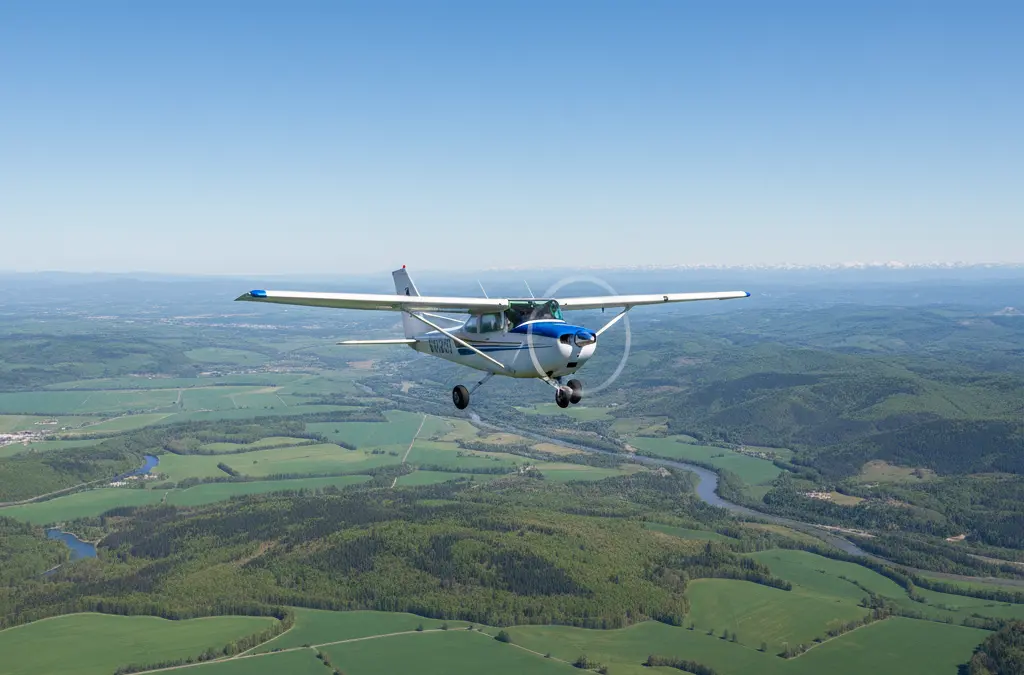
If you’re a private pilot or considering becoming one, you already know that flying is both thrilling and filled with responsibility. One of the crucial but often overlooked aspects of being a pilot is insurance. The right private pilot insurance policy not only protects you financially but also gives you peace of mind to enjoy your flying adventures fully.
Anúncios
In this detailed and friendly guide, I’ll walk you through everything about private pilot insurance—the costs involved, the benefits, what types of coverage you need, and how to find the best policy that fits your flying lifestyle. Let’s unravel this essential topic together so you can make the smartest insurance decisions.
Why Private Pilot Insurance is a Must
Flying a private aircraft involves risks—unexpected weather changes, mechanical failures, or even unforeseen liability issues on the ground. Without adequate insurance, a single accident could result in substantial financial loss.
Anúncios
Think of insurance as your safety net. It safeguards you, your aircraft, passengers, and third parties from potentially crippling costs. Plus, many flight schools, clubs, and airports require proof of insurance to let you operate an aircraft from their facilities.
Understanding What Private Pilot Insurance Covers
Anúncios
There are several insurance types you should know about:
1. Aircraft Hull Insurance
This covers physical damage to your plane, whether it’s in the air or on the ground. Hull insurance generally comes in two types:
- In-motion coverage: Protects against damage when the aircraft is flying or taxiing.
- Not-in-motion coverage: Covers damages when the aircraft is parked or stored.
Having full hull coverage ensures you’re protected whether the damage happens during flight or from vandalism or weather while on the tarmac.
2. Liability Insurance
Liability is probably the most critical part of your insurance. It covers bodily injury and property damage claims if you’re deemed responsible for an accident. This includes injury to passengers, injuries to others on the ground, and damage to other aircraft or property.
3. Passenger Liability
Passengers expect to be safe, but accidents happen. This insurance covers medical expenses and claims arising from passenger injuries during your flight.
4. Non-Owned Aircraft Insurance
If you regularly rent planes or borrow others’ aircraft, non-owned aircraft insurance protects you from liability when flying those planes.
How Much Does Private Pilot Insurance Cost?
One of the biggest questions private pilots ask is: “How much will insurance cost me?” Unfortunately, there’s no one-size-fits-all answer. However, I can share the main factors that influence your premium:
Aircraft Type and Value
The kind of aircraft you fly—single engine piston, multi-engine, experimental, or jets—greatly impacts insurance costs.
- A single-engine piston starter plane might cost you between $1,200 and $2,500 annually for decent coverage.
- More advanced or newer aircraft easily push premiums upwards, sometimes beyond $10,000 annually.
Pilot Experience and Flight Hours
Insurers love experienced pilots. More logged hours, especially in the aircraft type you own or rent, generally reduce your rates. Newer or less experienced pilots pay more due to increased risk.
Coverage Limits and Deductibles
Choosing higher liability coverage limits and full hull coverage raises premiums but offers greater financial security. Deductibles influence cost as well: a higher deductible means lower premiums but higher out-of-pocket risk if you file a claim.
Location and Usage
Where and how you fly also matters. Pilots flying frequently, especially in busy or high-risk airspace, usually face higher premiums. Location-specific risks like weather or theft also play a role.
Benefits of Having Private Pilot Insurance
Having the right insurance delivers many advantages beyond just legal protection. Consider these crucial benefits:
- Financial Security: Covers expensive repairs, liability settlements, or legal fees. Without it, an accident could wipe out your savings.
- Peace of Mind: Flying with insurance lets you focus on the joy of piloting instead of worrying over “what ifs.”
- Access to Better Aircraft: Insured pilots can rent or join clubs that require proof of insurance.
- Compliance with Regulations: Some states, airports, or flight schools may require coverage before granting access.
- Passenger Confidence: Carrying passenger liability insurance reassures anyone flying with you that they’re protected.
Tips for Buying Private Pilot Insurance
If you’re shopping for a policy, here’s my advice:
1. Work With an Aviation Insurance Broker
Unlike car insurance, aviation insurance market has many nuances. Expert brokers who specialize in aviation can find you the best deals and coverage suited to your specific needs.
2. Provide Complete Information
Be honest and detailed about your experience, aircraft use, and flight hours. Undisclosed facts can lead to claim denials or policy cancellations.
3. Compare Multiple Quotes
Don’t accept the first quotation. Gather quotes from different insurers to understand market rates and coverage options.
4. Consider Bundling
If you have other insurance policies (home, auto), check if bundling with your aviation insurance gives discounts.
5. Review Annually
Your flying habits and aircraft value can change; review your policy annually to ensure it still fits your needs and budget.
Real-Life Example: How Insurance Saved a Pilot
A friend of mine had a small hard landing in his Cessna that caused gear damage. Thanks to his comprehensive hull insurance, repair costs exceeding $30,000 were covered entirely with only his deductible to pay. Without insurance, that repair would have been financially crushing.
Frequently Asked Questions About Private Pilot Insurance
1. Is private pilot insurance mandatory?
Not by federal law, but it is often required by airports, flight schools, and lenders. It’s highly recommended.
2. How much liability coverage do I need?
Most pilots start with $1 million, but consider higher limits as you gain experience or fly more expensive aircraft.
3. Can I get cheaper insurance if I only fly occasionally?
Yes, some insurers offer pay-per-hour or limited-use policies suitable for casual flyers.
4. Does insurance cover training flights?
Yes, but ensure your policy includes student pilot coverage, especially for solo flights.
5. How do I find the best aviation insurance broker?
Look for brokers with aviation specialization, strong customer reviews, and multiple insurer access.
Conclusion
To wrap up, private pilot insurance is about safety, security, and smart financial planning. The right policy protects your passion for flying, your aircraft investment, and those who fly with you. While costs vary based on many factors, the benefits and peace of mind are invaluable.
If you’re serious about flying, start exploring policies today—talk to a knowledgeable aviation insurance broker and find the best options that suit your flying goals. Flying carefree is the ultimate luxury, and good insurance is your ticket to that freedom.