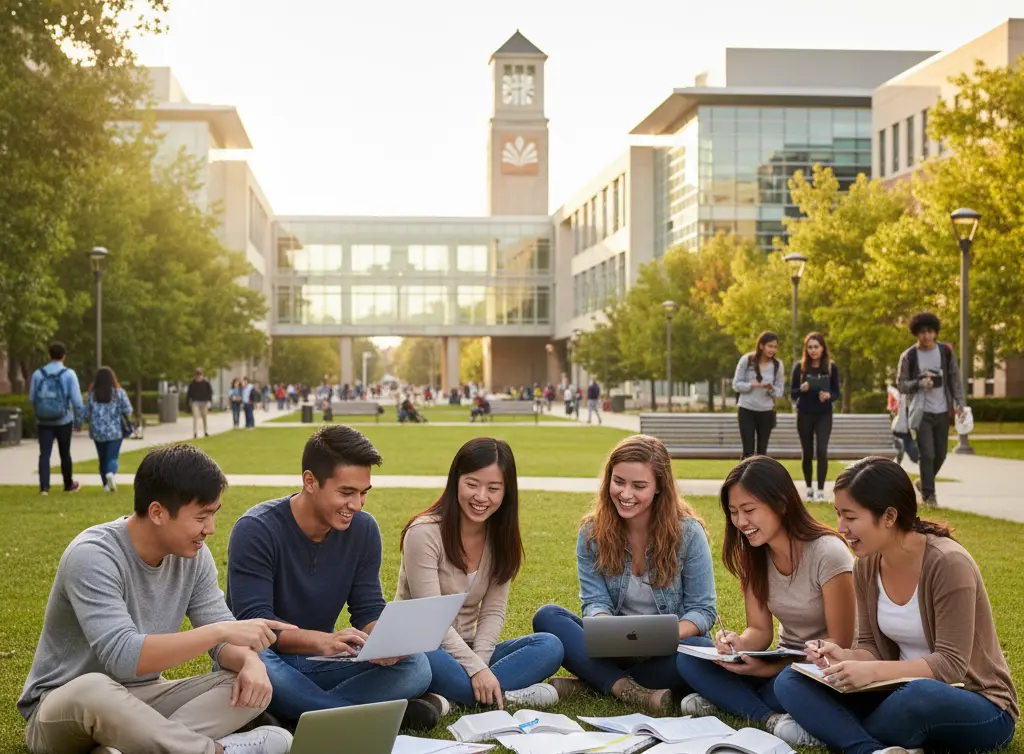
Moving to the United States to study is an exciting chapter filled with dreams and new possibilities. But as an international student, figuring out study and work opportunities in the USA can feel overwhelming. The good news? There are many pathways designed especially for you to learn, grow, and gain practical experience while staying compliant with U.S. immigration laws.
In this detailed and friendly guide, I’ll break down everything you need to know about studying and working in the USA as an international student in 2025. We’ll cover visa rules, types of employment permitted, how to find jobs, and tips to make the most of your educational journey.
Understanding Your Visa Status and Work Eligibility
Most international students come to the U.S. on an F-1 (academic student) visa or an M-1 (vocational student) visa. Your visa status controls how and when you are allowed to work while studying.
F-1 Visa Work Permissions
- On-campus employment: Allowed during your first academic year, up to 20 hours per week while classes are in session, and full-time during breaks.
- Curricular Practical Training (CPT): Off-campus internships or training directly related to your field of study, available after completing one academic year. Requires prior authorization from your school’s Designated School Official (DSO).
- Optional Practical Training (OPT): Work authorization before or after graduation, up to 12 months typically, and up to 36 months for STEM degree holders under extension rules.
M-1 Visa Work Permissions
- The M-1 visa has more limited work options, usually tied to practical training related strictly to your program after completion of studies.
Types of Work International Students Can Pursue
1. On-Campus Jobs
These are the easiest to get and don’t require special authorization for F-1 students. Typical jobs include:
- Library assistant
- Research assistant
- Food service worker
- Campus tour guide
- IT support staff
You can work up to 20 hours weekly during the school semester, making it a great way to earn some income without interfering with your studies.
2. Curricular Practical Training (CPT)
CPT lets you participate in internships, cooperative education, or other practical experiences directly related to your major. Key points about CPT:
- Available after one academic year of full-time study.
- Requires the experience to be integral to your curriculum.
- Must be approved and authorized by your school before you begin.
- Part-time (20 hr/week or less) CPT doesn’t affect OPT eligibility; full-time CPT (over 20 hr/week) for 12 months or more eliminates OPT eligibility.
3. Optional Practical Training (OPT)
OPT provides temporary work permission to gain experience in your field before or after graduation. Important details:
- You can apply for up to 12 months of OPT per degree level (undergrad, master’s, doctorate).
- STEM (science, technology, engineering, math) fields may qualify for a 24-month extension, totaling 36 months.
- OPT jobs must be directly related to your major.
- Requires filing with USCIS and approval before starting work.
Finding Jobs as an International Student
University Career Centers and Job Fairs
Almost all U.S. universities have career centers dedicated to helping international students find employment, internships, and research opportunities. They offer:
- Resume and cover letter reviews
- Interview preparation workshops
- Connections to employer networks hiring international talent
- Regular job and internship fairs
Online Job Platforms
Several websites specialize in listing jobs open to international students or those familiar with visa sponsorship, including:
- Interstride
- Myvisajobs
- GoinGlobal
- LinkedIn (with filters for work authorization)
Networking and Alumni Connections
Building a network is key. Attend local professional meetups, university alumni events, and join student organizations related to your career interests. These connections often lead to internship and job referrals.
Balancing Work and Study
Working while studying requires discipline and time management. Here are some tips:
- Aim to keep work hours within limits (generally 20 hours/week during semesters).
- Prioritize courses and manage deadlines carefully when working off-campus.
- Use work opportunities to gain skills that complement your academic learning.
- Always ensure your employment is authorized and documented to avoid visa issues.
Comparison Table: Work Options for International Students on F-1 Visas
| Work Type | Timing Allowed | Authorization Required | Hours Allowed | Relation to Study | Notes |
|---|---|---|---|---|---|
| On-Campus Jobs | First academic year onwards | No | Up to 20 hrs/week (semesters), full-time (breaks) | Not necessarily related | Easiest option to start work |
| Curricular Practical Training (CPT) | After 1 academic year | Yes (DSO approval) | Part-time or full-time | Must be integral to curriculum | Full-time CPT >12 months affects OPT eligibility |
| Optional Practical Training (OPT) | Before or after graduation | Yes (USCIS approval) | Full-time | Directly related to major | STEM OPT extension possible |
FAQs About Study and Work Opportunities for International Students in USA
1. Can I work off-campus during my first year of study?
No, F-1 students typically cannot work off-campus during their first academic year. After that, CPT or OPT may be available.
2. What happens if I work without authorization?
Working without proper authorization can jeopardize your visa status and future permanent residency applications. It’s critical to follow USCIS regulations closely.
3. How early can I apply for OPT?
You can apply for OPT up to 90 days before your program completion and no later than 60 days after completion.
4. Can I extend my OPT?
Yes, if you have a STEM degree and work for an employer enrolled in E-Verify, you may apply for a 24-month STEM OPT extension.
5. How do I maintain my F-1 status while working?
Work only when authorized, keep your full course load, and report any employment to your school’s Designated School Official (DSO).
Additional Resources
For official and detailed information, check:
- USCIS: Students and Employment
- Study in the States: CPT and OPT
- University career center websites for specific job listings and support
Conclusion
The study and work opportunities for international students in the USA offer a powerful combination of learning and practical career-building. Whether you’re working on campus, interning through CPT, or gaining post-graduation experience via OPT, the key is understanding your options and following legal guidelines carefully.
Start early, stay informed, and use every available resource. The United States offers a world of possibilities for motivated international students eager to combine education and hands-on experience. Your journey to success begins here.