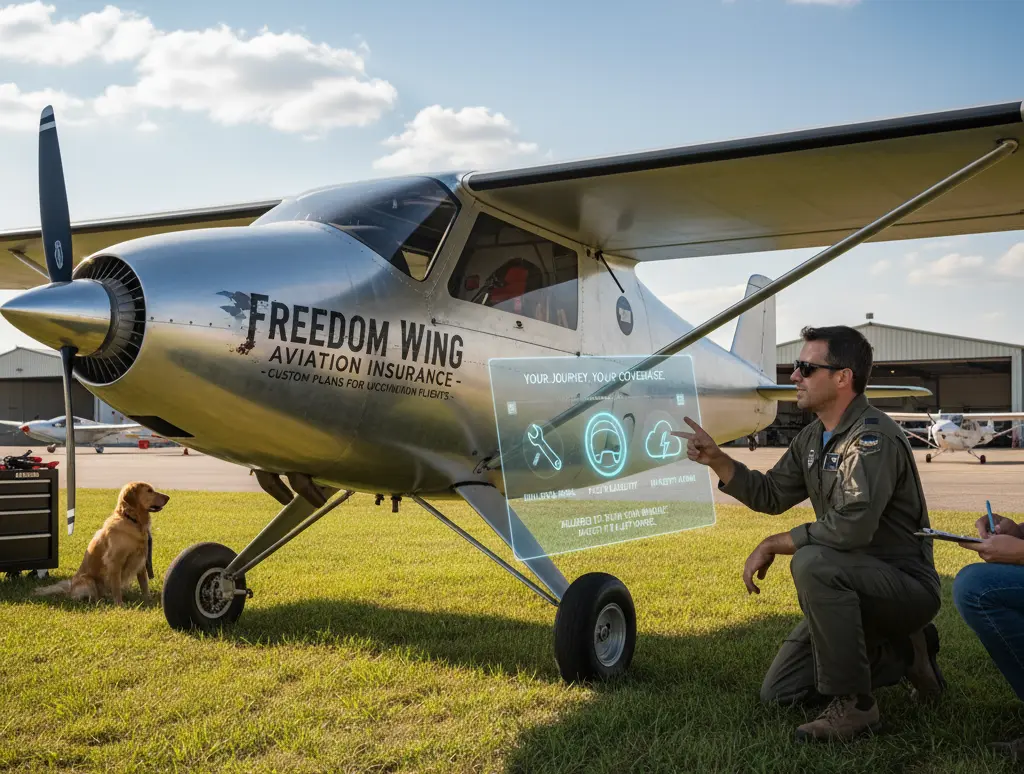
Owning an experimental or kit aircraft can be one of the most rewarding experiences for aviation enthusiasts. The thrill of building your own aircraft or flying a custom-built plane is unmatched. However, with this freedom comes the responsibility of securing the right insurance to protect your investment, your aircraft, and yourself.
Unlike traditional aircraft, experimental and kit aircraft present unique challenges when it comes to insurance coverage. These aircraft types are often custom-built, which means they don’t always fit into standard insurance categories. As a result, personalized insurance plans tailored to the specific needs of these aircraft are crucial.
In this article, we’ll explore everything you need to know about personalized insurance plans for experimental and kit aircraft, the factors that affect your premiums, and how to choose the best coverage options. Let’s dive in!
What Are Experimental and Kit Aircraft?
Before we discuss insurance, it’s important to understand what experimental and kit aircraft are, as these terms can sometimes be confusing for new aircraft owners.
Experimental Aircraft
Experimental aircraft are those that are built or modified for non-commercial purposes. These can be aircraft that are homemade by the owner or modified from a pre-built kit. The FAA classifies these planes as “experimental” due to their non-standard design or construction process. While experimental aircraft are legal to fly, they often don’t have the same certification as factory-built aircraft.
Kit Aircraft
Kit aircraft, on the other hand, are aircraft that are purchased in parts (a kit) and assembled by the owner or a licensed builder. They can range from simple ultralight planes to more complex, fully functional aircraft. Kit aircraft are often considered experimental if they are not factory-certified and are assembled by the owner.
Both types of aircraft are highly customizable, which is why personalized insurance is so important. With unique construction and modification methods, they don’t fit neatly into standard insurance policies, making it crucial to work with insurers who understand these planes’ specific needs.
Why Do Experimental and Kit Aircraft Need Personalized Insurance?
As we’ve seen, experimental and kit aircraft are custom-built or heavily modified. This creates several challenges for conventional aircraft insurance policies. Here are some reasons why personalized insurance plans are crucial for these aircraft:
1. Unique Construction and Design
Unlike mass-produced, factory-built aircraft, experimental and kit aircraft are often designed and built by their owners. This means they might not meet the same standards as commercially certified planes, which can pose a higher risk for insurers. However, a well-designed personalized insurance plan can ensure these unique aircraft are covered for the right risks.
2. Varying Value and Risk Factors
The value of an experimental or kit aircraft can vary significantly depending on the parts used, modifications made, and the owner’s skill level. This makes it more difficult to determine a standard premium. By opting for personalized insurance plans, aircraft owners can tailor the policy to reflect the actual value of the aircraft and its components.
3. Custom Coverage Options
Because experimental and kit aircraft often face different risks compared to certified aircraft, they require coverage options that account for things like:
- Build quality and owner experience: A well-built aircraft by a skilled owner might have fewer risks than a poorly assembled one.
- Modification and upgrade coverage: Custom parts, systems, or avionics might require additional insurance coverage.
- Liability concerns: Custom-built aircraft may present new liability risks, including injury to passengers or third-party damage.
4. Higher Liability Risks
Since experimental and kit aircraft are sometimes not subject to the same stringent certifications as commercial aircraft, they may have higher liability risks. Personalized insurance plans help mitigate these risks by offering higher liability limits or additional coverage options like third-party damage and personal injury protection.
Key Components of a Personalized Insurance Plan for Experimental and Kit Aircraft
When securing a personalized insurance plan for your experimental or kit aircraft, several key components should be considered to ensure that you have adequate protection. Below are the most important aspects of these insurance policies.
1. Hull Insurance
Hull insurance covers the physical damage to your aircraft in the event of an accident or incident. For experimental and kit aircraft, hull insurance can be particularly important, as many of these planes are one-of-a-kind and may be costly to repair or replace.
Considerations:
- Custom parts: If your aircraft includes unique components or custom-built parts, ensure these are included in your hull insurance coverage.
- Repair costs: Since repairs may need to be done by specialized technicians, the cost of repairs could be significantly higher than for a certified aircraft.
2. Liability Insurance
Liability insurance protects you in the event that your aircraft causes damage to others or their property. For experimental and kit aircraft, liability coverage is especially crucial, as these planes may be considered riskier by insurers due to their non-standard construction.
Key factors:
- Third-party damage: If your aircraft damages another plane or property, liability insurance will cover the costs.
- Passenger injury: Liability insurance can also cover medical costs if a passenger is injured during flight.
3. Grounding Insurance
Grounding insurance is designed to cover the cost of lost income or additional expenses if your aircraft is grounded due to mechanical issues or repairs. For experimental and kit aircraft, this can be especially useful, as the aircraft might require more frequent maintenance or repairs due to their unique design.
4. Engine and Avionics Coverage
Experimental and kit aircraft are often equipped with custom or upgraded engines and avionics. These components can be expensive and may not be covered under standard hull insurance.
Coverage Options:
- Engine insurance: Covers damage to or failure of the aircraft’s engine.
- Avionics coverage: Protects expensive custom avionics and navigational systems from damage or malfunction.
5. Personal Injury Protection
Personal injury protection is a crucial part of any insurance plan, but for experimental and kit aircraft, it may be especially necessary. Since these planes can be more prone to accidents due to the non-standard design, having personal injury coverage ensures that medical expenses are covered in case of injury to the pilot, passengers, or even third parties.
6. Additional Coverage Options
Depending on your needs, you may want to consider additional options such as:
- Accident insurance: For coverage in the event of a crash.
- In-flight damage insurance: For damage occurring during flight, such as from bird strikes or other unforeseen incidents.
- Comprehensive coverage: For all-around protection against both in-flight and on-ground damage.
Comparing Personalized Insurance Plans for Experimental and Kit Aircraft
When selecting an insurance policy, it’s essential to compare different options to ensure you’re getting the best coverage for your needs. Below is a comparison of the key features to look for in a personalized insurance plan for experimental and kit aircraft.
| Coverage Type | Standard Aircraft Insurance | Personalized Insurance for Experimental & Kit Aircraft |
|---|---|---|
| Hull Insurance | Covers general damage or loss | Custom parts, higher repair costs included |
| Liability Insurance | Covers basic third-party damage | Higher liability limits due to increased risk |
| Grounding Insurance | Covers lost income from downtime | Custom coverage for repairs and delays |
| Engine & Avionics | Standard engine coverage | Covers custom engines and avionics upgrades |
| Personal Injury | Covers passenger injuries | Extended protection for custom-built aircraft |
| Accident Insurance | Standard accident coverage | Comprehensive coverage for custom accidents |
Frequently Asked Questions (FAQs)
1. Why is personalized insurance needed for experimental aircraft?
Because experimental and kit aircraft are often custom-built and lack standard certifications, they pose unique risks. Personalized insurance plans are designed to account for these risks and provide tailored coverage.
2. How do I determine the value of my experimental or kit aircraft for insurance?
The value of your aircraft is typically determined by its components, the time and skill put into building it, and the current market value for similar planes. Work with your insurance broker to assess this.
3. Can I get liability insurance for a kit aircraft?
Yes, you can obtain liability insurance for kit aircraft. It is crucial to have adequate coverage to protect against third-party damage, injury to passengers, and other liabilities.
4. Is insurance for experimental aircraft more expensive?
Generally, yes. Due to the unique risks associated with experimental and kit aircraft, the premiums may be higher than for factory-built aircraft. However, personalized plans allow you to tailor your coverage to suit your needs.
5. Can I insure a kit aircraft while it’s still being built?
In many cases, you can secure builders risk insurance for kit aircraft while it is being assembled. Once completed, it can then be insured under a standard or personalized insurance policy.
Conclusion
Owning an experimental or kit aircraft offers a world of possibilities for aviation enthusiasts. However, protecting this unique asset with the right personalized insurance is essential to ensure peace of mind and proper coverage. By considering the various coverage options, customizing your plan, and working with an experienced insurer, you can keep your custom-built aircraft safe, secure, and ready for the skies.
If you’re in the process of insuring your experimental or kit aircraft, take the time to compare insurance providers and policies to find the best fit for your needs. Don’t hesitate to reach out to an aviation insurance broker who can guide you through the process and help you find the right coverage.