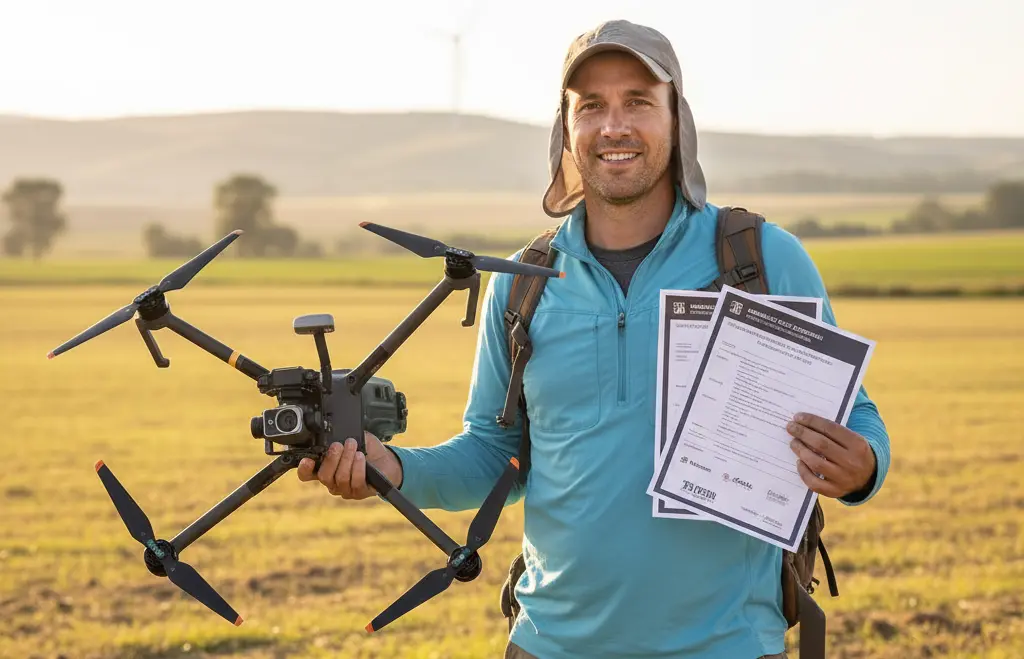
Flying drones is an exciting hobby and growing business for many of us. But with great power comes a lot of responsibility—plus risks such as accidents, theft, or damage. This is why a drone insurance policy is becoming essential for hobbyists and commercial operators alike in 2025.
I’m here to break down everything you need to know about drone insurance, from what it covers and why you need it, to costs and key tips for buying the right policy. Think of this as your go-to guide to flying with peace of mind, knowing you’re financially protected if something goes wrong.
What Is a Drone Insurance Policy?
A drone insurance policy is a specialized insurance designed to cover the unique risks tied to owning and operating drones. Whether it’s hobby drones, commercial survey drones, or delivery drones, insurance can save you from significant financial losses during:
- Accidental crashes,
- Theft or loss,
- Damage during transit,
- Injuries or property damage caused to third parties,
- Cybersecurity breaches or hacking incidents.
Just like car or homeowner’s insurance, drone insurance protects your investment and liability—but tailored to aerial devices.
Why Is Drone Insurance Important in 2025?
Drones have skyrocketed in popularity and sophistication. That means:
- They’re more expensive,
- Their applications span critical industries (filming, agriculture, mapping),
- Regulations are tightening worldwide,
- Liability risks are increasing.
With new rules now mandating drone insurance in places like the EU and parts of the U.S., the question has shifted from “Do I need it?” to “What kind and how much?” I’ve seen operators get hit with huge costs for even small incidents, so insurance is about protecting yourself — emotionally and financially.
What Does a Typical Drone Insurance Policy Cover?
1. Hull Insurance (Drone Damage and Loss)
This covers the physical drone itself against damage from accidents, crashes, storms, or theft. It can include:
- Broken propellers,
- Camera gimbals and sensors,
- Cracked body or landing gear,
- Loss due to theft or disappearance.
This coverage is essential if you’re flying expensive equipment or using your drone for commercial purposes.
2. Liability Insurance
Probably the most important part for any operator—this covers your legal and financial responsibility if your drone causes:
- Injury to people,
- Property damage (cars, buildings, crops),
- Disruption of operations (like flights, traffic).
Liability insurance helps with legal fees, damages, and settlements.
3. Payload Insurance (Optional Add-on)
For pros using drones with expensive cameras, multispectral sensors, or spraying equipment, payload insurance protects these add-ons.
4. Cyber Liability Insurance
More autonomous drones and AI-enabled devices face hacking risks. Cyber coverage protects against data breaches or control hijacking.
5. Transit Insurance
Covers damage during drone transport between locations—whether in a car, plane, or by hand.
What’s Usually Not Covered?
- Normal wear and tear,
- Mechanical or electrical breakdown unrelated to accidents,
- Damage caused by unauthorized use or flying in prohibited areas,
- Loss due to pilot negligence,
- Intentional damage or illegal activity.
Understanding these exclusions helps avoid surprises at claim time.
How Much Does Drone Insurance Cost in 2025?
Costs depend on factors like drone value, coverage limits, usage, and flying environment.
- Hull insurance typically costs around 8-12% of your drone’s value per year.
- Liability insurance can range from $500 to $1,000 yearly for a $500,000 to $1 million coverage limit.
- Commercial operators may pay more based on risk level and policy extensions.
- Some providers offer hourly or monthly plans starting as low as $5 per hour—great if you don’t fly often.
- Adding payload or cyber liability coverage adds to the premium.
On average, a hobbyist with a $1,500 drone might pay around $750 annually for combined hull and liability coverage.
Who Needs Drone Insurance?
Hobbyists
If you fly recreationally, insurance isn’t always mandatory but highly recommended—especially for pricier drones or flying in populated areas.
Commercial Operators
If you earn income using drones (surveying, filmmaking, deliveries), insurance is typically a must. Many contracts and government licenses now require proof of adequate coverage.
Government and Public Safety Drones
Agencies usually have specific insurance mandates for liability and operational risks.
Legal and Regulatory Requirements Around Drone Insurance
In 2025, many countries and regions have tightened drone regulations:
- The EU requires drone liability insurance for most operators.
- The U.S. Federal Aviation Administration (FAA) does not currently mandate compulsory insurance but strongly recommends it.
- Some nations, like Poland and parts of India, have started requiring insurance for drones above certain weights.
- Operators flying in controlled or congested airspaces must show proof of insurance.
It’s always good to check your country and state’s drone laws before flying.
How to Choose the Right Drone Insurance Policy?
1. Assess Your Needs
- Value of your drone and equipment,
- Frequency and environment of flights,
- Commercial or recreational use,
- Liability risks in your area.
2. Compare Coverage Types
Look for a policy that includes hull, liability, and optional add-ons relevant to your drone operations.
3. Check Insurance Limits and Deductibles
Higher coverage limits mean better protection but higher premiums. Deductibles are what you pay out-of-pocket before insurance pays.
4. Understand the Claims Process
Choose insurers with straightforward claims handling and good customer service. Check reviews and ask peers for recommendations.
Common Tips for Maintaining Your Drone Insurance
- Always register your drone if required,
- Keep your drone in good maintenance and fly safely,
- Maintain certifications or training if flying commercially,
- Immediately report incidents and document them thoroughly for claims,
- Update your policy if you upgrade your drone or equipment.
Frequently Asked Questions (FAQs)
1. Is drone insurance mandatory?
It depends on where you are. In many places, commercial drone pilots must carry insurance; recreational users may be exempt but are still encouraged to get coverage.
2. What happens if I fly without insurance?
You risk paying out-of-pocket for any damage or injury caused, and may face fines or license suspensions in regulated areas.
3. Does my homeowner’s insurance cover drones?
Usually not, or only within limited terms. It’s safer to get dedicated drone insurance for full protection.
4. Can I insure a drone I rent?
Yes, some policies offer coverage for leased or rented drones.
5. What does liability insurance cover?
It covers damages or injuries you accidentally cause to others with your drone—including legal defense costs.
Expert Opinions and Industry Voices
The FAA recently emphasized drone insurance’s key role in safe drone integration:
“While not yet mandatory, drone insurance is critical to protecting operators and the public as unmanned aircraft become more widespread.”
— FAA Official, 2025
Conclusion: Fly Confidently with the Right Drone Insurance Policy
If you’ve been on the fence about whether to insure your drone, I hope this guide helped clarify why a drone insurance policy is crucial for both hobbyists and businesses. From expensive drone repairs to protecting yourself from liability, the peace of mind alone is worth the investment.
Start by assessing your needs, compare policies carefully, and keep your coverage active and up-to-date. Flying smarter with insurance means fewer worries and more joy behind the controls!
If you enjoyed this article, share it with fellow drone enthusiasts and subscribe for more tips on safe, legal, and responsible drone usage.