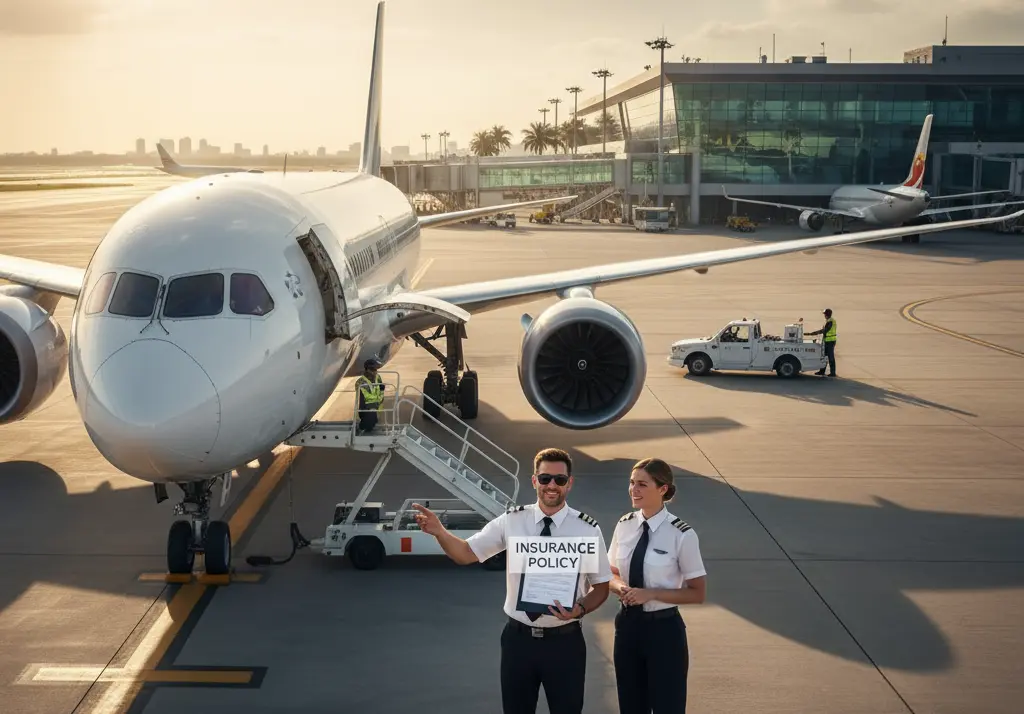
In the world of aviation, safety is a top priority—both for the passengers on board and the operators running the airlines. While much of the focus is on safety protocols, aircraft maintenance, and pilot training, one crucial aspect often goes unnoticed: commercial aviation insurance. Whether you’re a commercial pilot, airline operator, or simply someone interested in the aviation industry, understanding the commercial aviation insurance requirement is essential.
In this blog, we’ll break down the key aspects of commercial aviation insurance—from its importance to the types of coverage you need, and the requirements set by regulatory bodies. We’ll also explore how insurance impacts the day-to-day operations of an airline and what it means for both operators and passengers. Let’s dive in!
What is Commercial Aviation Insurance?
Defining Commercial Aviation Insurance
Commercial aviation insurance is a specialized type of insurance that covers the risks associated with commercial flying. It protects airlines, private air carriers, pilots, passengers, and other stakeholders involved in the operation of aircraft. Given the high stakes and the potential for significant losses, the aviation industry relies heavily on insurance coverage to manage risks.
Commercial aviation insurance isn’t just about covering accidents; it also provides coverage for a wide range of potential scenarios, including damages to the aircraft, liabilities for passengers and cargo, and even third-party damages.
Why is Commercial Aviation Insurance Important?
Commercial aviation involves substantial risks. From aircraft damage to injuries or fatalities during accidents, there are countless factors that need to be accounted for. Without adequate insurance coverage, an airline or operator could face catastrophic financial losses. Insurance not only protects the airline but also provides a safety net for passengers, crew members, and third-party entities impacted by aviation-related incidents.
Types of Commercial Aviation Insurance Coverage
1. Hull Insurance
Hull insurance covers damage to the aircraft itself, whether it’s in flight or on the ground. There are two types of hull insurance:
- All-Risk Hull Insurance: This provides the most comprehensive coverage, protecting against any damage or loss unless explicitly excluded in the policy.
- Named Perils Hull Insurance: This is more limited and only covers specific risks like crashes, fire, or natural disasters.
Why is Hull Insurance Necessary?
Airlines and operators need hull insurance to protect their aircraft from physical damage. Whether an aircraft is damaged due to a storm, accident, or mishandling, hull insurance ensures that the airline doesn’t face a huge financial burden.
2. Liability Insurance
Liability insurance is an essential component of commercial aviation insurance. It covers the airline or operator in the event of an accident that causes injury or death to passengers or third parties. There are two primary types of liability insurance:
- Passenger Liability Insurance: Covers the costs of injuries or deaths sustained by passengers during the flight.
- Third-Party Liability Insurance: Covers damage or injury caused to third parties, including people or property on the ground.
Why is Liability Insurance Required?
Aviation liability insurance is mandatory in most countries because it helps protect the airline against the substantial legal costs and compensation claims resulting from accidents.
3. Crew Liability Insurance
This type of insurance covers any medical costs or compensation claims in case of injury, death, or incapacity of airline crew members while they are working.
Why is Crew Liability Insurance Important?
Crew members are exposed to unique risks, from aircraft accidents to on-the-job injuries. Having adequate coverage ensures that the airline can meet legal obligations and provide protection for its employees.
4. Ground Operations Insurance
This type of insurance covers the damage to equipment, facilities, and goods while the aircraft is on the ground. It also includes protection for personnel who are working on the ground, such as ground crew, cargo handlers, and other staff.
Why Ground Operations Insurance Matters
Airline operations are not just confined to the sky; a lot happens on the ground. Whether it’s fueling, baggage handling, or airport maintenance, accidents and damages can occur. Ground operations insurance mitigates these risks and ensures the airline doesn’t face financial ruin from an incident that occurs on the ground.
5. Passenger and Cargo Insurance
This coverage provides protection for the goods and passengers being transported on the aircraft. Passenger insurance covers incidents like accidents, injuries, or fatalities, while cargo insurance protects the airline from losses or damages to goods being transported.
The Need for Passenger and Cargo Insurance
- Passenger Insurance: Airlines are legally required to compensate passengers in the event of an accident that results in injury or death.
- Cargo Insurance: Ensures that the airline is protected from damage to high-value cargo, including electronics, machinery, or other expensive goods.
Commercial Aviation Insurance Requirements: What’s Legally Required?
Regulatory Bodies and Their Role in Insurance Requirements
In the commercial aviation industry, various regulatory bodies set the insurance requirements that airlines and operators must adhere to. These agencies include:
- Federal Aviation Administration (FAA): In the United States, the FAA sets specific insurance requirements for operators.
- European Union Aviation Safety Agency (EASA): Sets insurance rules for European aviation operators.
- International Civil Aviation Organization (ICAO): The ICAO provides global standards for aviation insurance requirements, ensuring consistency across nations.
Minimum Insurance Requirements for Commercial Airlines
The minimum insurance requirements for airlines typically depend on the type of aircraft, its operations, and the region in which the airline operates. For instance:
- In the U.S., the FAA mandates minimum levels of coverage for aircraft liability, ranging from $1.5 million to over $200 million depending on the aircraft size and type of operation.
- International carriers must comply with both domestic regulations and international requirements, which may vary from country to country.
What Happens if You Don’t Have Insurance?
Not having the required commercial aviation insurance is illegal in most jurisdictions and can lead to heavy fines, penalties, and suspension of operations. In some extreme cases, airlines may be grounded or have their operating licenses revoked.
Key Considerations for Airlines When Purchasing Insurance
1. Cost vs. Coverage
When selecting aviation insurance, airlines must weigh the cost of coverage against the potential risks. While opting for a cheaper policy may lower immediate expenses, it could leave the airline vulnerable in the event of a serious incident. A well-rounded, higher-coverage policy may be pricier but offers more protection for the airline, passengers, and crew.
2. The Risk Profile of the Airline
Factors such as the size of the fleet, the nature of the operations (e.g., international versus domestic), and the airline’s safety record affect insurance costs. Airlines with larger fleets or higher-risk operations may face higher premiums.
3. International Operations
Airlines that operate internationally must ensure that their insurance meets the legal and financial requirements of each country they fly into. Some countries have stricter aviation insurance rules, which can affect the airline’s coverage.
4. Premium Structure
The cost of premiums is typically structured based on:
- Aircraft type (smaller aircraft tend to have lower premiums than large commercial jets).
- Flight hours (the more an aircraft flies, the higher the premium).
- Geography (operating in high-risk areas, such as conflict zones, can increase premiums).
Table: Comparison of Common Aviation Insurance Types
| Type of Insurance | Coverage | Why It’s Needed |
|---|---|---|
| Hull Insurance | Covers damage to the aircraft itself | Protects against physical damage to the aircraft during flight or while on the ground |
| Liability Insurance | Covers passenger injury, death, and third-party damage | Essential for legal compliance and protecting passengers’ rights |
| Crew Liability Insurance | Covers injuries to the flight crew | Ensures protection for the airline’s employees |
| Ground Operations Insurance | Covers damage or injury during ground operations | Protects against mishaps like baggage handling or fueling accidents |
| Passenger/Cargo Insurance | Covers passengers and goods being transported | Compensates passengers for injuries and protects goods during transport |
FAQs About Commercial Aviation Insurance
1. Why do airlines need commercial aviation insurance?
Airlines need commercial aviation insurance to protect themselves against financial losses due to accidents, damages, and legal claims. It also ensures that passengers, crew, and third parties are covered in case of incidents.
2. What does hull insurance cover in aviation?
Hull insurance covers physical damage to the aircraft, whether caused by a crash, weather conditions, or other incidents during flight or while on the ground.
3. How much commercial aviation insurance is required?
The minimum required insurance varies based on the country and type of operation. In the U.S., airlines must carry a minimum of $1.5 million to over $200 million in liability insurance, depending on the aircraft’s size and type.
4. What is the difference between passenger liability and third-party liability insurance?
Passenger liability covers injuries or death sustained by passengers, while third-party liability covers damages or injuries caused to people or property outside the aircraft, such as pedestrians or buildings.
5. How much does aviation insurance cost?
The cost of aviation insurance depends on factors like the type and size of the aircraft, the airline’s safety record, and its operating area. Premiums can range from a few thousand dollars to millions annually, depending on these factors.
Conclusion
Commercial aviation insurance is an essential aspect of the aviation industry, ensuring that both airlines and passengers are protected from unforeseen events. In 2025, the complexities of aviation insurance are higher than ever, with insurers offering specialized policies tailored to meet the needs of commercial airlines. Whether you’re an airline operator or a passenger, understanding these insurance requirements and how they impact operations can make all the difference when it comes to safety, legal compliance, and financial protection.
If you are involved in the aviation industry, be sure to consult with experts to ensure your insurance policies meet the necessary requirements. By doing so, you can safeguard your assets and minimize risks effectively in an increasingly dynamic industry. Safe travels!